Cloisters locksmith NYC Service Team
Local locksmith team
Apr 15, 2026 10 min read
Running a storefront or office in New York City means navigating a security landscape unlike anywhere else in the country. From the dense foot traffic along Broadway in SoHo to the late-night deliveries on the side streets of Midtown, your locks are working harder than those in almost any other city in the world. A standard door knob lock that might serve a suburban shop just fine can become a serious liability on a busy Manhattan block — and most NYC business owners don't realize how exposed they are until something goes wrong.
At Cloisters Locksmith NYC, our experienced mobile team works around the clock helping retail shops, office suites, restaurants, and service businesses upgrade the hardware that stands between their inventory and the street. Whether you're looking at a full master key system, a commercial-grade mortise lock, electronic access control, or panic hardware for your front exit, this guide walks you through the upgrades that actually matter — and why they're worth prioritizing before you need an emergency locksmith at 3 a.m.
## Why NYC Storefronts Need More Than a Basic Door Knob Lock
Most commercial spaces in New York inherit whatever hardware the previous tenant left behind. That often means an aging cylindrical door knob lock or a dated deadbolt that was installed years before current building codes or modern forced-entry tactics existed. These locks can be surprisingly easy to defeat — not through anything exotic, but simply because the hardware is worn, misaligned, or was never rated for commercial-grade use to begin with. For any storefront that sees daily customer traffic, receives after-hours deliveries, or stores valuable merchandise overnight, that's a risk that compounds every single day.
The practical first step is a physical security audit of every entry point: front door, rear service entrance, interior office doors, and any connecting corridors. Our skilled technicians carry out these walkthroughs regularly for businesses across all five boroughs — from boutique shops in the West Village to multi-floor offices near Grand Central. What we find most often is a mismatch between the security level the business owner thinks they have and what the hardware actually provides. Upgrading starts with an honest look at what's already there, and that's exactly where a qualified commercial locksmith adds real value.
## Mortise Lock Installations: The Commercial Standard That Holds Up on NYC Streets
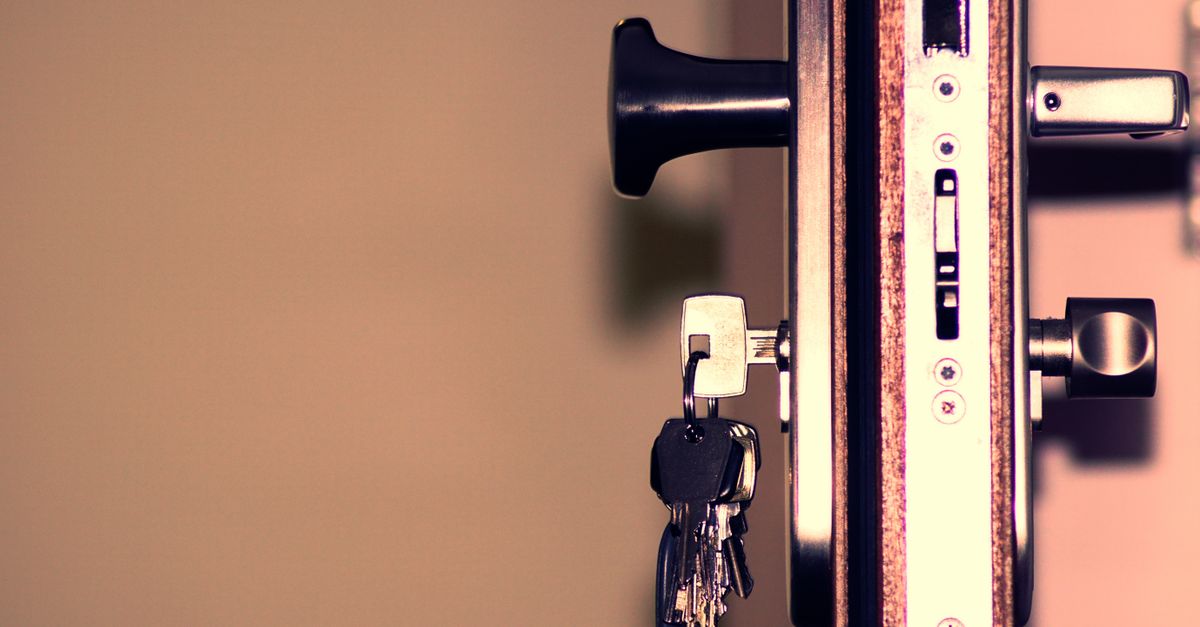
If there is one upgrade that transforms the security posture of a New York storefront more than any other, it is switching from a cylindrical bored lock to a commercial mortise lock. A mortise lock fits into a deep rectangular pocket cut directly into the door edge, integrating the latch, deadbolt, and cylinder into a single solid assembly. This design distributes kick-in and pry force across the entire door edge rather than concentrating it on two small bolt holes, which is exactly why you see mortise lock hardware on the doors of banks, courthouses, and high-end commercial buildings throughout Manhattan. For a retail or office space, the difference in resistance to forced entry is substantial.
Our technicians install mortise lock assemblies from proven hardware lines on wood, hollow metal, and aluminum storefront doors — the three door types you encounter most frequently in NYC commercial construction. The process involves precise pocket routing or fitting to an existing mortise cutout, cylinder rekeying to your master system if applicable, and full alignment testing before we leave. Factors that influence the final quote include the door material, the current prep dimensions, whether the existing frame needs reinforcement, and any access control integration you want built in from the start. We confirm your exact price up front before any work begins, so there are no surprises when the job is done. If your storefront still relies on a basic door knob lock or an older grade-3 deadbolt, a mortise lock installation is the single most impactful hardware change you can make.
## Master Key Systems: One Key, Total Control Across Your Entire Property
For businesses with multiple rooms, stockrooms, staff-only areas, or properties that span more than one floor, a master key system brings genuine operational clarity. The concept is straightforward: individual staff members carry keys that open only the specific doors their role requires, while a manager or owner holds a master key that operates every lock in the system. A grandmaster key can extend that control across multiple locations — useful for franchise operators, property managers, and businesses with more than one NYC address. The system is built through precision key control at the cylinder level, meaning unauthorized copies cannot simply be made at a hardware store.
Designing a master key hierarchy takes careful planning. Our experienced team maps out your access levels before a single cylinder is ordered, ensuring that the system makes logical sense for how your staff actually moves through the space. We've set up master key systems for multi-tenant office buildings in Midtown, restaurant groups with back-of-house security requirements, and retail chains managing keyholder accountability across Brooklyn and Queens. Once the system is installed, lost keys are handled through controlled rekeying of just the affected cylinders — not a full lock replacement — which keeps ongoing maintenance practical and cost-effective. If you're ready to move beyond the chaos of a dozen mismatched keys, call 646-760-8361 and our team will walk you through the design process.
## Access Control and Smart Entry: Going Keyless Without Going Careless
Electronic access control has moved well past the novelty stage. For NYC storefronts and offices, keypad entry systems, proximity card readers, and smartphone-enabled smart locks now offer a level of audit capability that traditional keys simply cannot match. Every entry event is logged with a time stamp, every credential can be revoked instantly without a locksmith visit, and temporary access codes can be issued to contractors or vendors for specific time windows. For a business that employs shift workers, manages cleaning crews, or has frequent deliveries, that kind of granular control is genuinely valuable.
It's important to note that electronic access control works best when the underlying mechanical hardware is solid. A keypad mounted on a flimsy frame with a hollow-core door offers much less protection than the technology alone suggests. Our approach is always to pair access control hardware with the appropriate door reinforcement — often including a high-grade mortise lock cylinder as the mechanical backup — so that a power outage or system failure doesn't leave your business vulnerable. We install and program access control systems for both single-door applications and multi-door commercial builds, and we stay available as your 24/7 emergency locksmith if anything ever needs immediate attention after hours.
## Panic Hardware, Exit Devices, and What NYC Code Actually Requires
Panic hardware — also called exit devices or crash bars — is not optional for many NYC commercial spaces. Buildings that fall under assembly occupancy classifications, which can include retail stores above a certain square footage, restaurants, and event spaces, are required by New York City building and fire codes to have exit devices that allow egress without the use of a key or special knowledge. Beyond code compliance, panic hardware is a genuine life-safety feature: in an emergency, occupants can exit rapidly by pushing the bar, even in complete darkness or under the stress of a crowd.
Selecting the right exit device depends on your door type, the direction of swing, the fire rating of the door assembly, and whether you need the device to integrate with your access control or alarm system. We work with rim-mount, mortise-style, and surface-mounted vertical rod exit devices depending on what each door configuration requires. If your current rear exit is secured with a padlock and chain — a setup we encounter far too often in older NYC commercial buildings — replacing it with a proper exit device dramatically improves both safety and code standing. Our commercial locksmith team carries the tools and hardware on every vehicle to handle these installations same-day in most cases across Manhattan, Brooklyn, the Bronx, Queens, and Staten Island. For an immediate consultation or a same-day service call, reach us at 646-760-8361 — we answer around the clock, every day of the year.
## How Pricing Works for Commercial Lock Upgrades in NYC
One of the most common questions we hear is some version of how much does an NYC locksmith cost, and it is a fair question to ask before committing to any hardware upgrade. The honest answer is that commercial locksmith pricing depends on several real variables: the type and brand of hardware being installed, the complexity of the door prep work, whether any frame reinforcement is needed, the time of day the work is performed, and travel distance to your location within the New York area. An after-hours emergency locksmith call for a lockout is priced differently from a scheduled mortise lock installation booked for a Tuesday morning. Parts cost also varies significantly — a basic cylindrical replacement costs far less than a full access control panel with card readers on six doors.
What we commit to every time, regardless of the scope of work, is a clear and confirmed price before we begin. No technician on our team will start a job without first giving you a complete quote that you've agreed to. We are insured, and our mobile units are stocked to handle most standard commercial lock upgrades without needing to make an extra parts run, which keeps your project moving efficiently. If your project is larger or more complex, we'll walk you through the scope in detail so you know exactly what you're authorizing. Transparency at the estimate stage is how we've built trust with business owners across New York — and it's how we intend to keep operating.
Frequently asked questions
How much does an emergency locksmith cost near me in NYC?+
Emergency locksmith pricing in New York City varies based on several factors: the type of service needed (lockout, lock replacement, or a more involved installation), the hardware required, the time of day, and your location within the five boroughs. After-hours and weekend calls typically carry a different rate than standard daytime appointments. What Cloisters Locksmith NYC always does is provide a confirmed, up-front quote before any work begins — so you know exactly what you're agreeing to before our technician touches a single lock.
How do I find a reputable locksmith in NYC for my storefront?+
Look for a locksmith who arrives in a marked vehicle, presents identification, conducts a physical assessment before quoting, and gives you a written price confirmation before starting any work. A reputable commercial locksmith will also be willing to explain the specific hardware they're recommending and why it suits your door type and security needs. At Cloisters Locksmith NYC, our experienced technicians do all of this on every call — we're a 24/7 mobile operation that serves businesses throughout Manhattan, Brooklyn, Queens, the Bronx, and Staten Island. Call 646-760-8361 any time to speak with our team directly.
What is a mortise lock and why does my NYC business need one?+
A mortise lock is a commercial-grade locking assembly that fits into a deep pocket cut into the door edge, integrating the latch, deadbolt, and cylinder into one unified unit. Unlike a standard cylindrical door knob lock, a mortise lock distributes forced-entry stress across the entire door edge, making it significantly more resistant to kicking, prying, and shimming. For New York storefronts — which face higher foot traffic, longer operational hours, and greater attempted-entry risk than most other environments — a mortise lock is widely considered the professional standard. Our skilled technicians install mortise lock hardware on all common NYC door types, including wood, hollow metal, and aluminum storefront frames.
Where can I find an auto locksmith in New York if I'm locked out near my business?+
Cloisters Locksmith NYC is a fully mobile operation, which means we respond to both commercial property calls and vehicle lockouts throughout the New York area — often at the same location when a staff member is locked out of their car in a parking garage or on the street near their workplace. If you or an employee is locked out of a vehicle in Manhattan or any of the surrounding boroughs, call 646-760-8361. Our mobile team responds 24 hours a day, 7 days a week, and will confirm an arrival window and a firm price before heading your way.