Cloisters locksmith NYC Service Team
Local locksmith team
May 27, 2026 11 min read
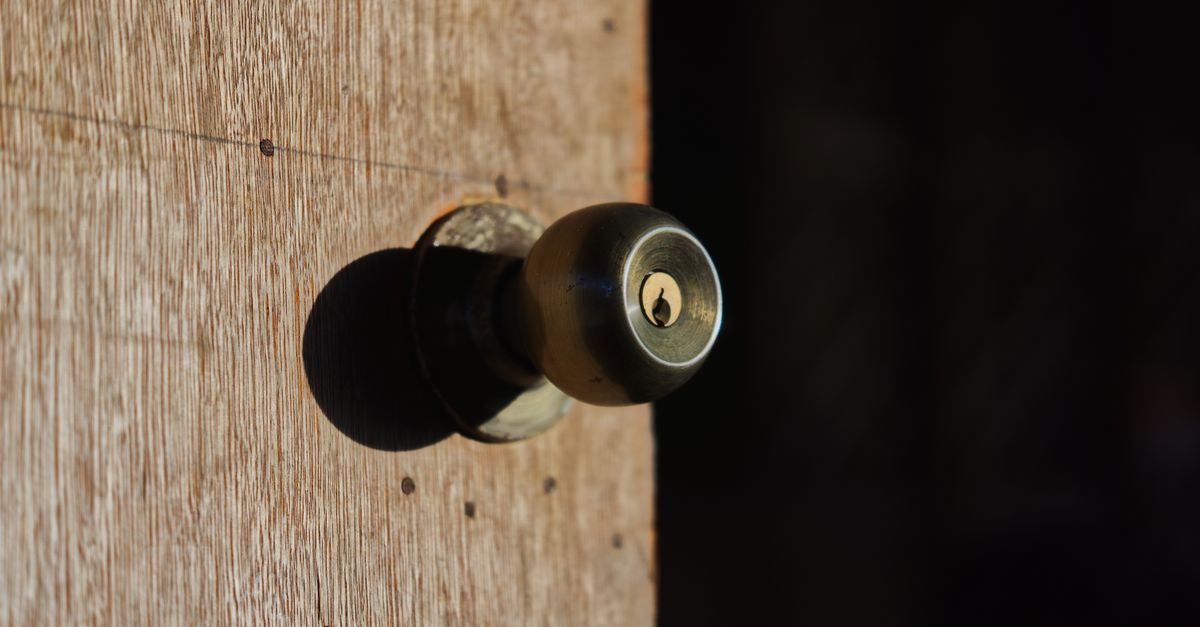
You finally feel settled into your co-op on the Upper West Side or your rental near Astoria Park — and then it hits you: the previous tenant had a key, the super has a copy, and you have no idea who else might. Changing or rekeying your locks sounds like an obvious next step, but in New York City, that instinct runs straight into a wall of lease clauses, co-op board rules, and building management policies that most residents never read until there's a problem.
The good news is that you often have more options than you think — and understanding the rules upfront can save you from a nasty dispute with your landlord or board. Whether you live in a co-op, a rental apartment, or a brownstone rental, this guide walks you through exactly what the law and typical agreements allow, what a professional mortise lock service actually involves, and when to call a skilled locksmith rather than tackle it yourself.
## What NYC Lease and Co-op Rules Actually Say About Changing Your Locks
In New York City rentals, the standard lease almost always prohibits tenants from changing, replacing, or adding locks without written landlord consent. However, New York Real Property Law Section 235-c gives tenants in certain situations the right to change their own cylinder — provided they supply the landlord with a duplicate key. That nuance matters: the law does not give you blanket permission to swap out the entire lock hardware, especially a mortise lock assembly that is built into the door itself. Removing or altering that hardware without approval can constitute lease violation or even property damage, regardless of your intentions.
Co-op apartments add another layer. When you own shares in a co-op, you own the right to occupy your unit — but the building's proprietary lease and house rules typically govern what you can do to doors, frames, and common-area hardware. Many co-op boards in buildings along the Upper West Side, Park Slope, or Riverdale require you to submit a written alteration request before a locksmith does any work beyond a simple cylinder rekey. Getting that approval in writing before the work begins protects you in both directions.
## Rekeying vs. Replacing: Understanding Your Mortise Lock Options
Most NYC apartment doors — especially in pre-war buildings — use a mortise lock, a rectangular mechanism set deep into the door edge rather than a simple knob or deadbolt. This is important because rekeying and full replacement are very different jobs on a mortise lock. Rekeying means a skilled locksmith removes the cylinder from the existing mortise lock body, changes the internal pin configuration, and cuts a new key to match. The hardware itself stays put — which is usually exactly what co-op boards and landlords want to see. Full replacement, on the other hand, means pulling the entire mortise lock body out of the door pocket, which involves the latch, deadbolt, and trim plate as a unit. That is a more significant alteration and almost always requires explicit board or landlord permission.
So, can you rekey a lock to match an existing key — say, your front building key — rather than carrying two separate keys? Yes, in many cases a professional locksmith can rekey a lock so that one key operates multiple cylinders. This is called key matching or key consolidation, and it is a legitimate and popular service for NYC residents managing multiple entry points. Can you rekey any lock regardless of brand or age? Most modern cylinders — Schlage, Kwikset, Medeco, and others — can be rekeyed by an experienced locksmith, though some high-security cylinders and antique hardware like a Corbin mortise lock found in antique locks and keys collections may require specialty pins or original manufacturer parts that not every shop carries. Our team works regularly with both modern and vintage mortise lock hardware throughout the city.
## Keypad and Smart Locks in NYC Apartments: What Building Rules Allow
Smart locks and keypad door locks are increasingly popular, and understandably so — they eliminate the key-copy problem entirely. But installing one in a co-op or rental is not always a simple plug-and-play situation. Most keypad door locks designed for residential use replace the interior-side thumb-turn and sometimes the entire cylinder, which the building may classify as an alteration. Before any installation, get written approval from your super, management company, or co-op board. Many buildings will approve a smart lock installation if you use a model that preserves the existing exterior mortise lock cylinder and simply adds an interior keypad or thumb-turn module, keeping the building's master-key system intact.
If you already have a keypad door lock installed and need to update who has access, the process is simpler than most people expect. How do you change the code on a door lock varies by brand, but it typically involves entering a programming sequence with the current admin code and entering the new one — no locksmith needed for that step. However, if you have forgotten the admin code, a qualified locksmith can perform a factory reset on most keypad models without damaging the hardware. Can you rekey a smart lock? Some smart lock models include a physical key cylinder as a backup, and yes — that cylinder can be rekeyed just like a traditional one. Others are purely electronic; in those cases, rekeying means resetting user credentials rather than changing physical pins.
## Emergency Locksmith Situations: Lockouts, Lost Keys, and Security Upgrades
There is a specific kind of urgency that hits at 11 PM when you are standing outside your apartment door on West 181st Street with no key and no super answering your calls. In a genuine lockout, the right first step is always to check for a spare key with a trusted neighbor or family member, or to contact your building superintendent — many co-ops and rental buildings have emergency super lines for exactly this situation. If neither option is available, calling an experienced emergency locksmith is the appropriate next move. A professional will verify your identity and residency before beginning any work, which is standard practice and protects both you and the building.
Beyond lockouts, security upgrades are one of the most common reasons NYC residents call a locksmith. Moving into a new unit — whether a rental or a co-op — is the ideal moment to have the cylinders rekeyed. You do not know how many copies of the previous key exist, and a rekey costs a fraction of a full replacement while providing the same peace of mind. If your building uses an older Corbin mortise lock or similar antique hardware, a skilled locksmith can often restore and rekey that cylinder rather than replacing it, preserving the original hardware that many pre-war buildings require you to maintain. If you need a security consultation or an urgent lockout response, call our team at 646-760-8361 — we answer around the clock, every day of the year.
## How Much Does a NYC Locksmith Cost for Co-op and Rental Work?
One of the most common questions we hear is: how much does an NYC locksmith cost, or how much does a local locksmith charge for a rekey versus a full mortise lock replacement? The honest answer is that a single flat number does not exist, because several real variables affect the final price. The type of lock matters significantly — a standard residential cylinder rekey is a straightforward job, while sourcing specialty pins for a vintage Corbin mortise lock found in antique locks and keys contexts, or installing a new commercial-grade mortise lock body in a multi-unit building, involves more parts and more time. The time of day matters too: emergency locksmith calls in the middle of the night or on a holiday reflect the reality of around-the-clock staffing. Your location within the New York area affects travel, and whether you need one cylinder or five rekeyed in the same visit changes the overall scope.
What we commit to is straightforward: before any work begins, we confirm an exact price with you upfront. No surprises once the job is done, no vague estimates that balloon after the fact. The same transparency applies whether you are asking how much does an emergency locksmith cost near me at 2 AM, or scheduling a daytime security upgrade across multiple units in a co-op building. Our team also handles commercial locksmith work for building managers and property owners who need to rekey common-area doors, install high-security hardware, or manage a master-key system across an entire property. If you need an auto locksmith in New York for a vehicle lockout or ignition issue, we handle that as well — our mobile units are dispatched across all five boroughs and into Westchester and the surrounding metro area.
## 25 Locksmith Services We Provide for NYC Residents and Building Owners
Our experienced, insured team covers a wide range of lock and security needs across the city. Here is a specific look at what we do: residential cylinder rekeying for apartments and brownstones; mortise lock body replacement in pre-war buildings; mortise lock restoration for antique and vintage door hardware; new deadbolt installation on interior and exterior doors; keypad door lock installation and programming; smart lock installation and cylinder integration; commercial mortise lock installation for building lobbies and offices; master-key system design and implementation for co-op and condo buildings; high-security cylinder upgrades (Medeco, Mul-T-Lock, and similar); door knob lock replacement and rekey; emergency apartment lockout response; emergency house lockout response; emergency office lockout response; lock-out service for storage units and mailboxes; key duplication for restricted and non-restricted keyways; transponder key programming for vehicle lockouts; car key replacement for lost or damaged fobs; ignition repair and cylinder replacement; trunk release service; broken key extraction from locks and ignitions; door frame reinforcement and strike plate upgrades; peephole installation and upgrade; intercom and buzzer lock troubleshooting; commercial door closer and exit device service; and post-break-in lock repair and security assessment for damaged doors. Whether you need one cylinder rekeyed in a Harlem walk-up or a full master-key rollout across a co-op building in Forest Hills, our mobile team comes to you.
Frequently asked questions
Can my landlord refuse to let me rekey my NYC apartment lock?+
In most standard NYC leases, you need landlord consent before making any lock changes. However, New York Real Property Law does provide limited tenant rights to change cylinders in certain circumstances, as long as you supply the landlord with a duplicate key. The safest approach is always to get written permission first. If your landlord denies a reasonable security request, document the exchange — some situations may qualify for tenant rights protections. A professional locksmith can perform the rekey in a way that leaves the mortise lock hardware intact and provides all parties with working keys, which typically satisfies both tenant security needs and landlord requirements.
Can you rekey a lock without replacing the entire mortise lock body?+
Yes — and in most NYC co-op and rental situations, rekeying the cylinder alone is exactly the right solution. A skilled locksmith removes the cylinder from the mortise lock, adjusts the internal pin stack to match a new key cut, and reinstalls it. The door hardware, finish, and overall mechanism remain untouched. This is faster, less invasive, and avoids the alteration approvals typically required for full hardware replacement. It is also the approach most co-op boards prefer, since the building's original door hardware stays in place.
How do I find a reputable locksmith in NYC I can actually trust?+
In New York City, trust comes from a combination of transparency and professionalism. Look for a locksmith who confirms pricing before starting work, arrives in a marked vehicle, asks to verify your identity and residency before a lockout service, and can clearly explain what they are doing and why. Trained, insured locksmiths will never pressure you or create urgency around unnecessary upgrades. At Cloisters Locksmith NYC, we verify ownership before every residential service, explain the work in plain terms, and give you a confirmed price upfront — no hidden charges after the fact. You can reach our team any time at 646-760-8361.
Can you rekey a smart lock, and does it count as a lock change under my lease?+
It depends on the smart lock model and how your lease defines a 'lock change.' If the smart lock replaces only the interior thumb-turn and adds a keypad while leaving the existing exterior cylinder intact, many landlords and co-op boards consider it minimally invasive — though written approval is still the smart move. If the smart lock replaces the entire cylinder or lock body, it typically does count as a lock change under most leases and co-op house rules. As for rekeying a smart lock: if the model includes a physical key backup cylinder, yes, that cylinder can be rekeyed like any other. If it is a fully electronic unit, rekeying means resetting user codes and access credentials rather than changing physical pins.